%20(2)_edited_edited.png)
Relationship Economy
- Shelby Daly

- 8 hours ago
- 2 min read
The Athletic Trainer Relationship Economy: Trust Can’t Be Negotiated
The athletic trainer–patient relationship thrives on trust, flexibility, and presence - not on rigid scheduling, time clocks, or contractual minimums.
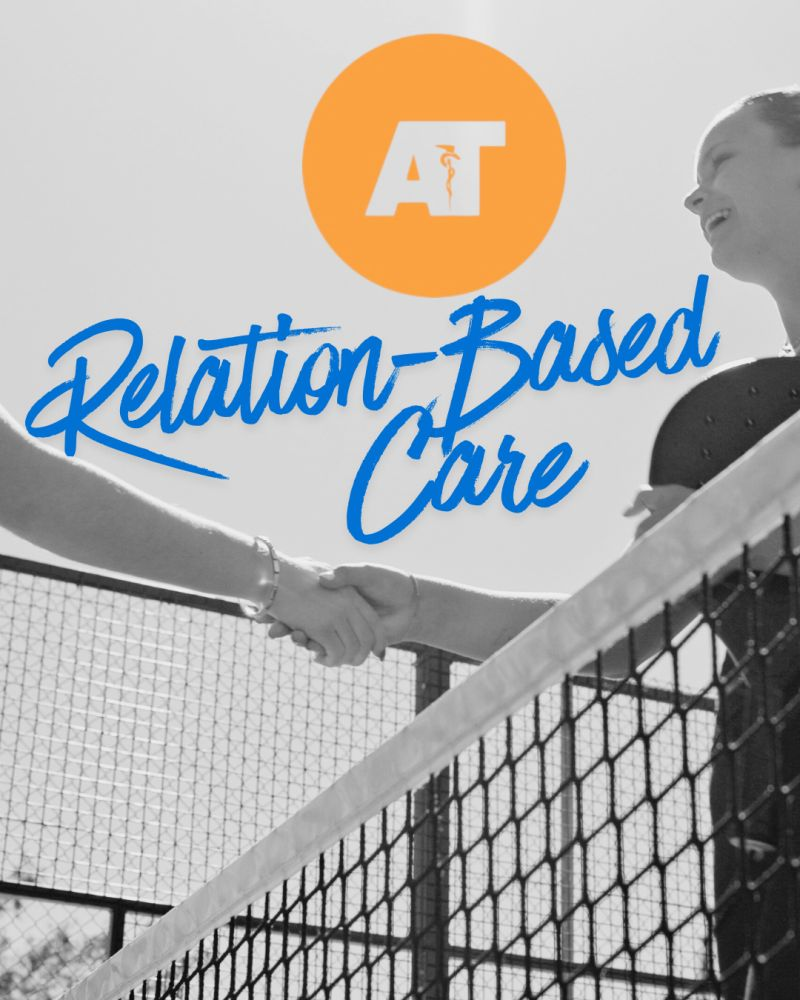
Athletic trainers often serve as the first point of contact for injury, fear, and uncertainty. We’re the ones athletes confide in when something feels off, and we’re the ones coaches rely on for honest, immediate guidance. That kind of relationship doesn’t live in the world of policy language or contract clauses, it lives in human connection.
Unions, by design, standardize relationships between employees and employers. They create predictable structures, consistent pay, and a sense of fairness across a workforce. That’s not inherently wrong, but it’s transactional.
Athletic training, however, is relational.
Our effectiveness depends on being trusted and being there — in the moment, in the environment, when it matters most. When care delivery becomes governed by time cards, grievance clauses, and rigid role boundaries, we risk eroding the culture of trust that keeps:
➡️ Athletes confiding instead of concealing
➡️ Coaches communicating instead of assuming
➡️ Teams functioning as integrated systems of health and performance
A union may protect hours and wages, but it can’t protect the sacred flexibility that defines the AT–athlete bond.
That flexibility is what allows an athletic trainer to stay late for a postseason comeback, to meet an athlete at 6 a.m. for return-to-play, or to make a judgment call that puts the athlete’s safety over the team’s convenience.
When our care model is built on relationships, not transactions, we have to be careful adopting frameworks that prioritize rules over relationships.
Standardization can protect the job, but only trust protects the patient.
Maybe the real question isn’t should athletic trainers unionize, but how do we preserve the relational heart of our profession in a system that increasingly rewards structure over humanity?



Comments